OVERVIEW
The concept can support production ranging from a limited number of models to a broad vehicle portfolio within the same manufacturing architecture.
Solution
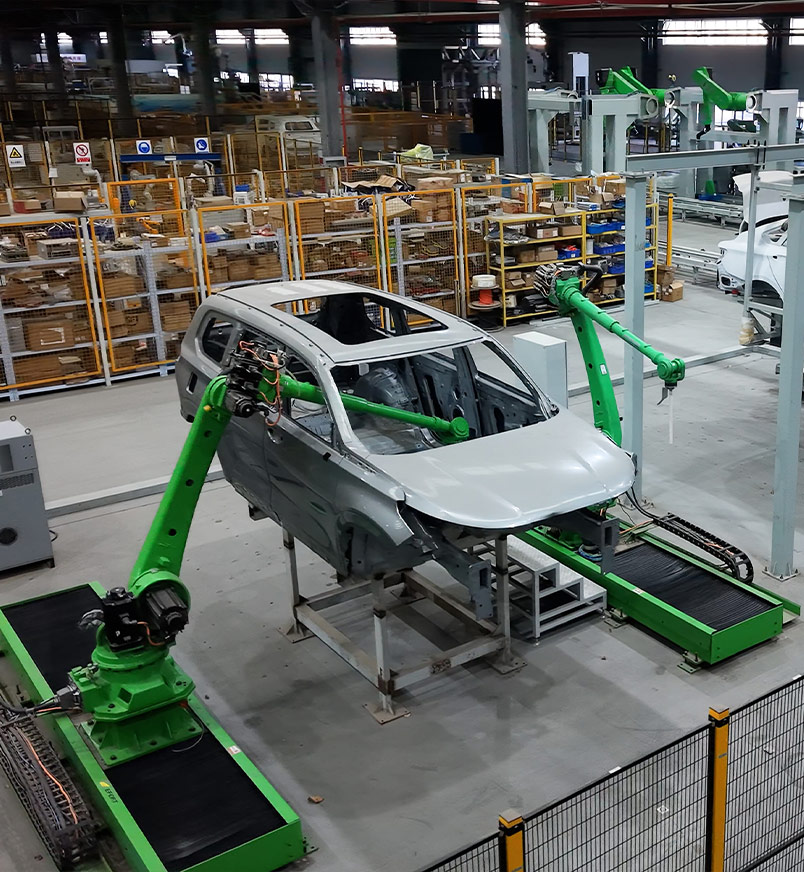
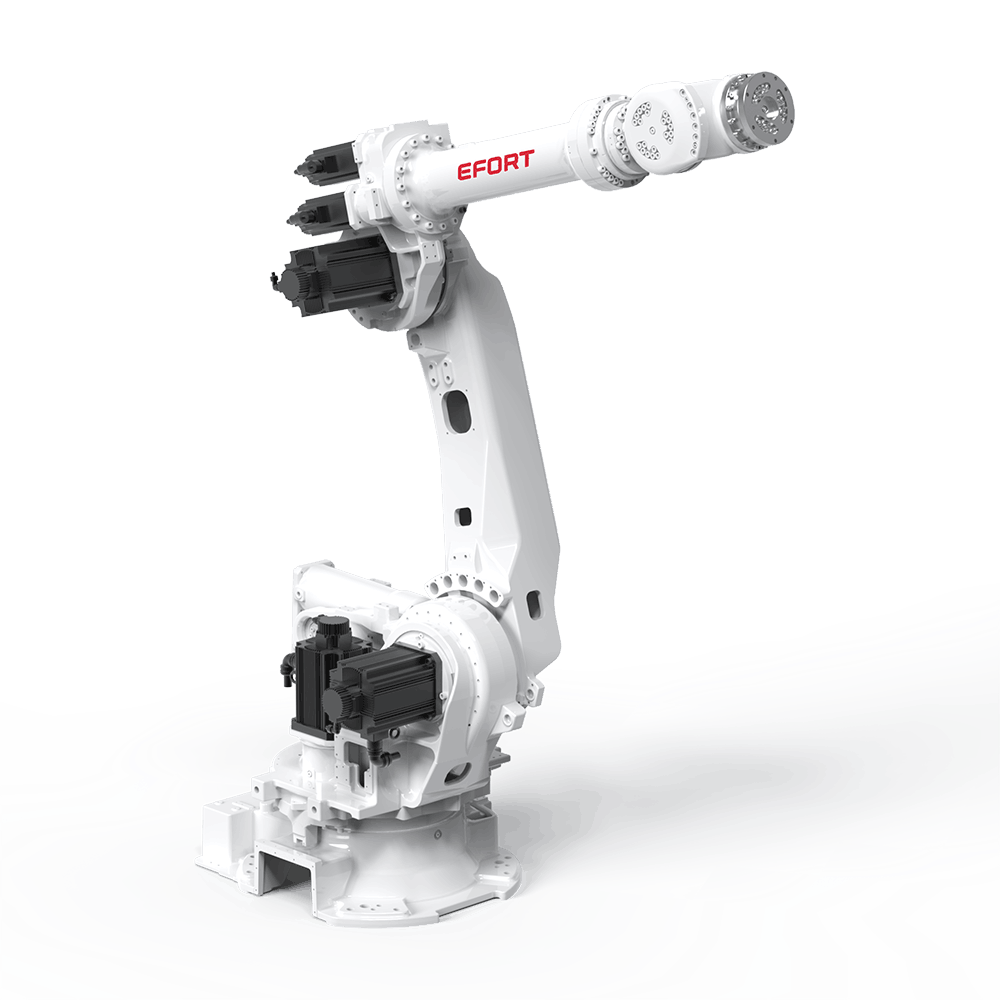
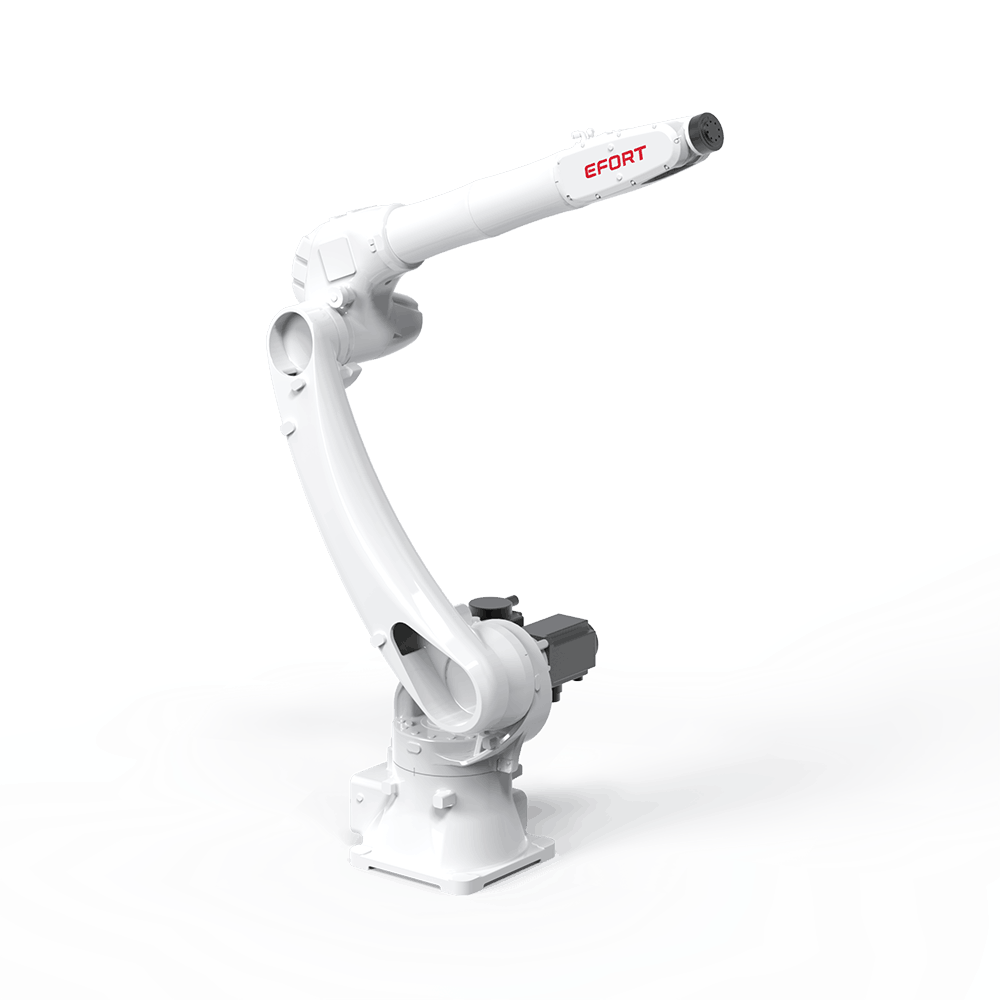
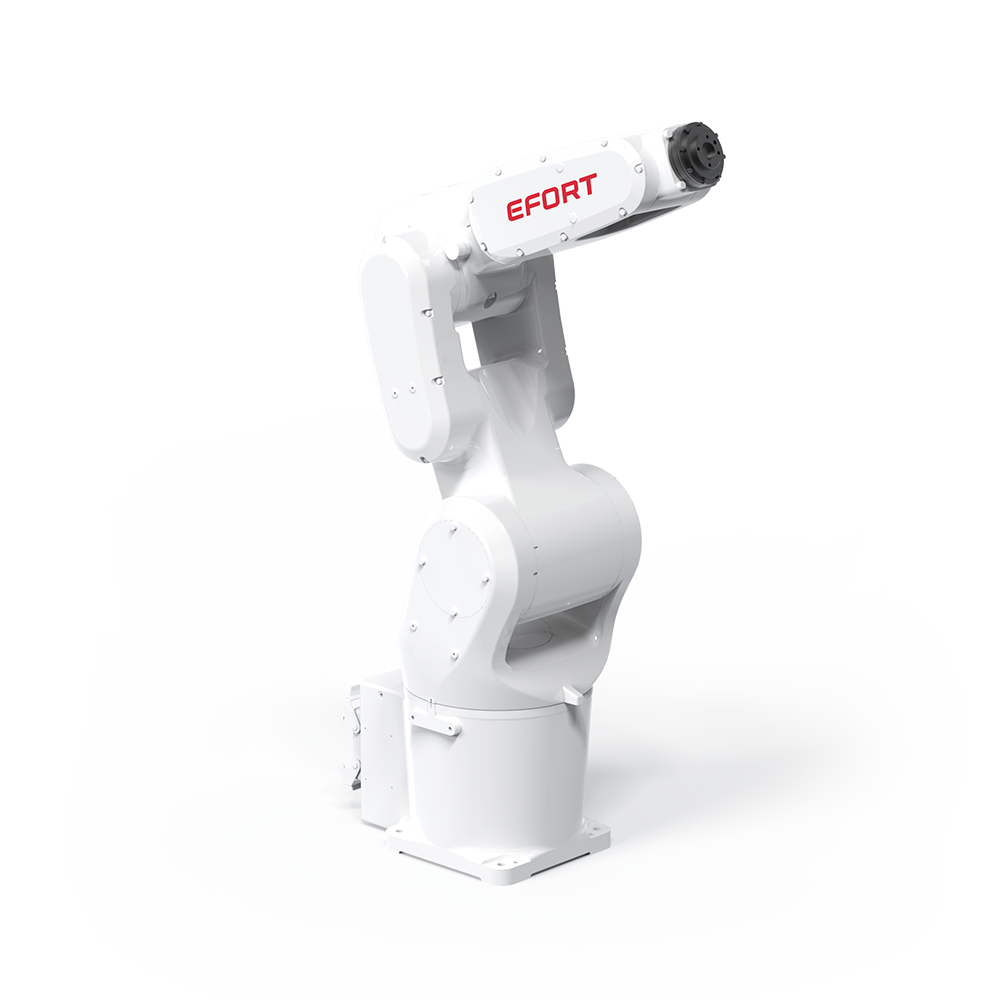
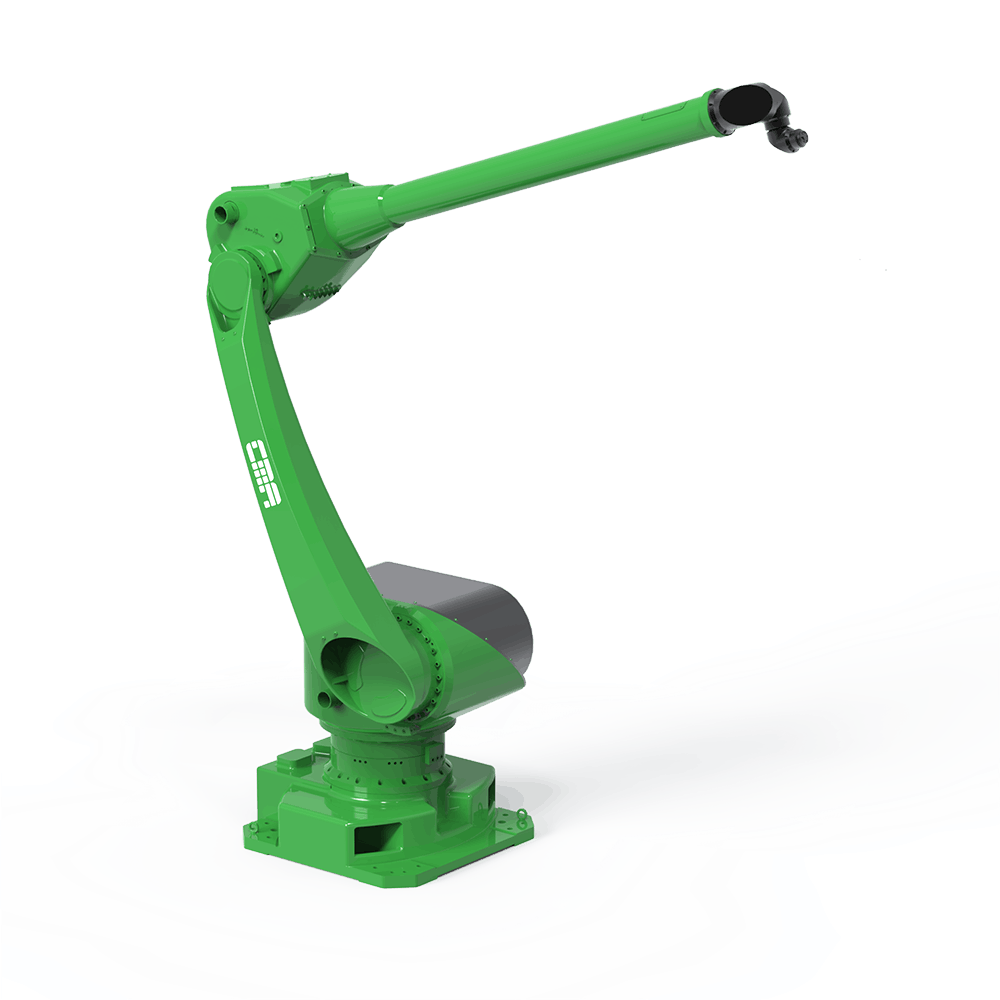
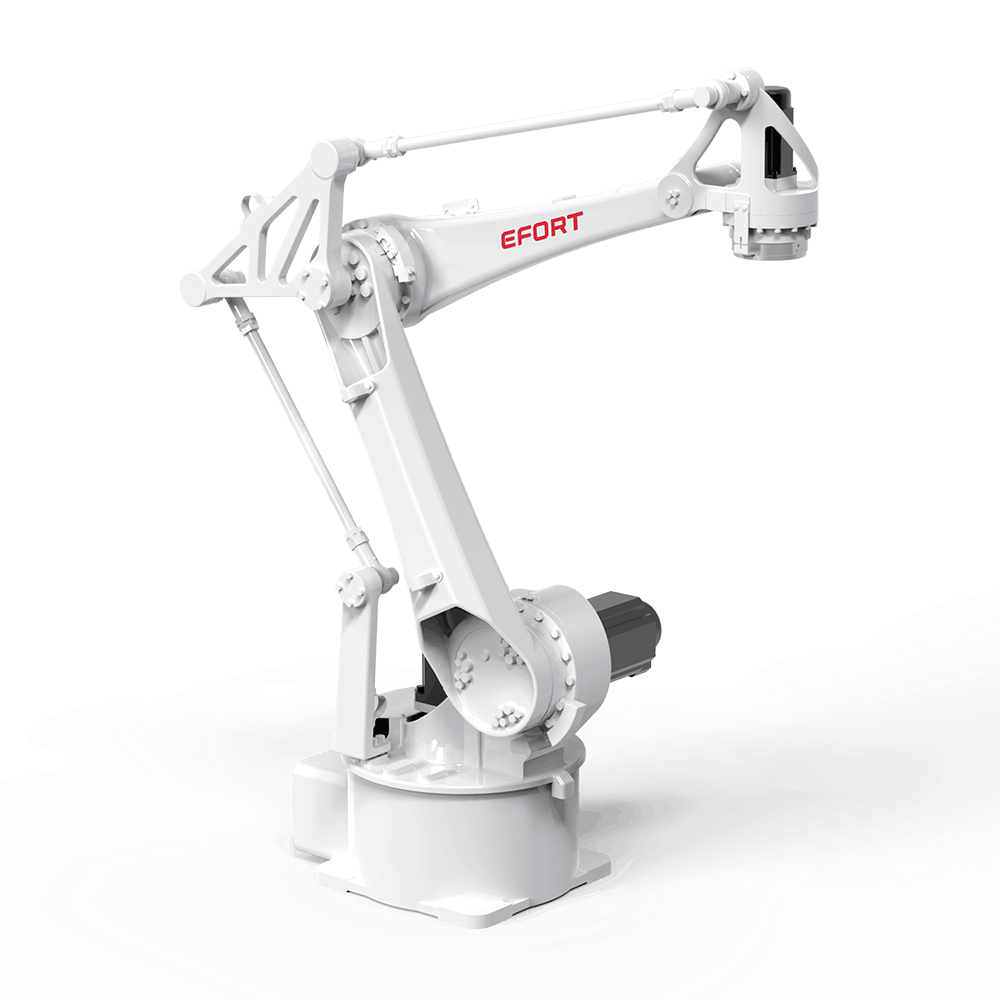
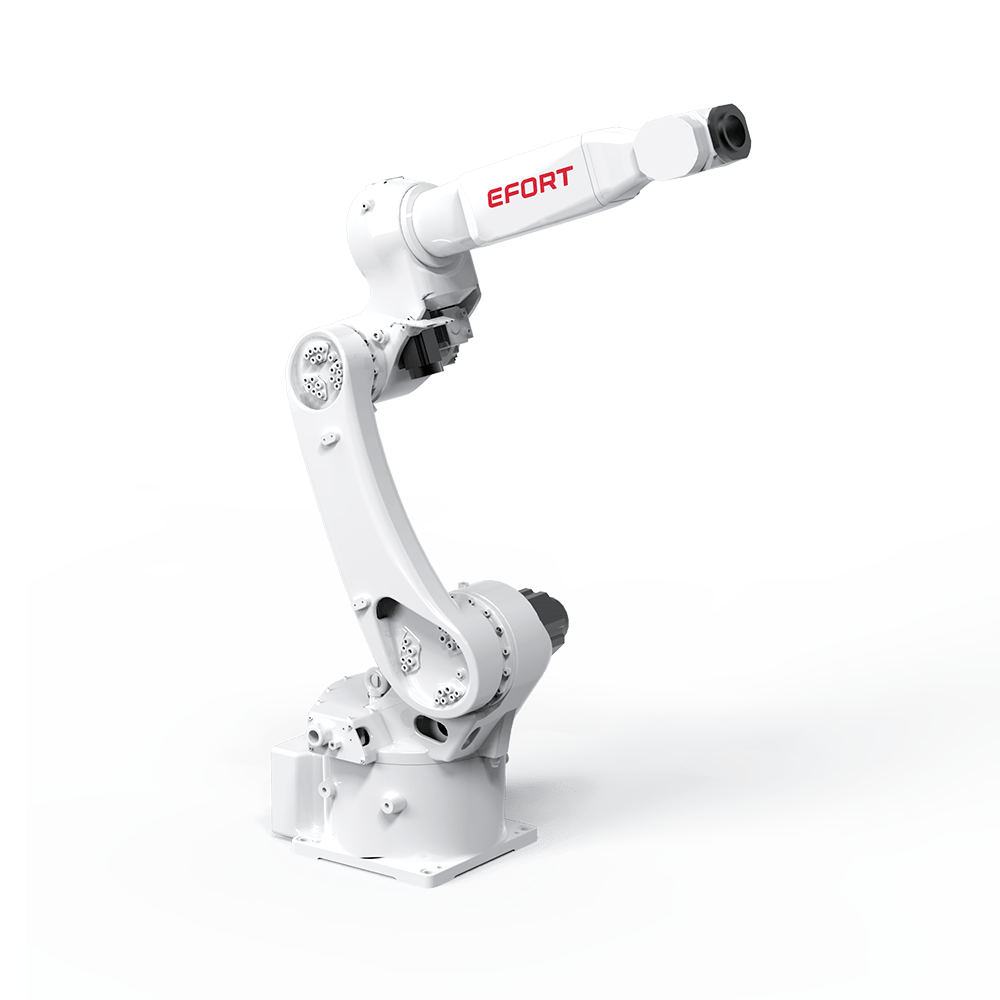
The first vehicle model requires the core robotic line, process tools, specific geometry jigs and the initial AGV fleet.
For the second model, the system can be extended by increasing the number of AGVs and introducing the required model-specific equipment.
From subsequent models onwards, the additional investment is mainly focused on dedicated process tools such as welding guns, grippers and model-specific fixtures.
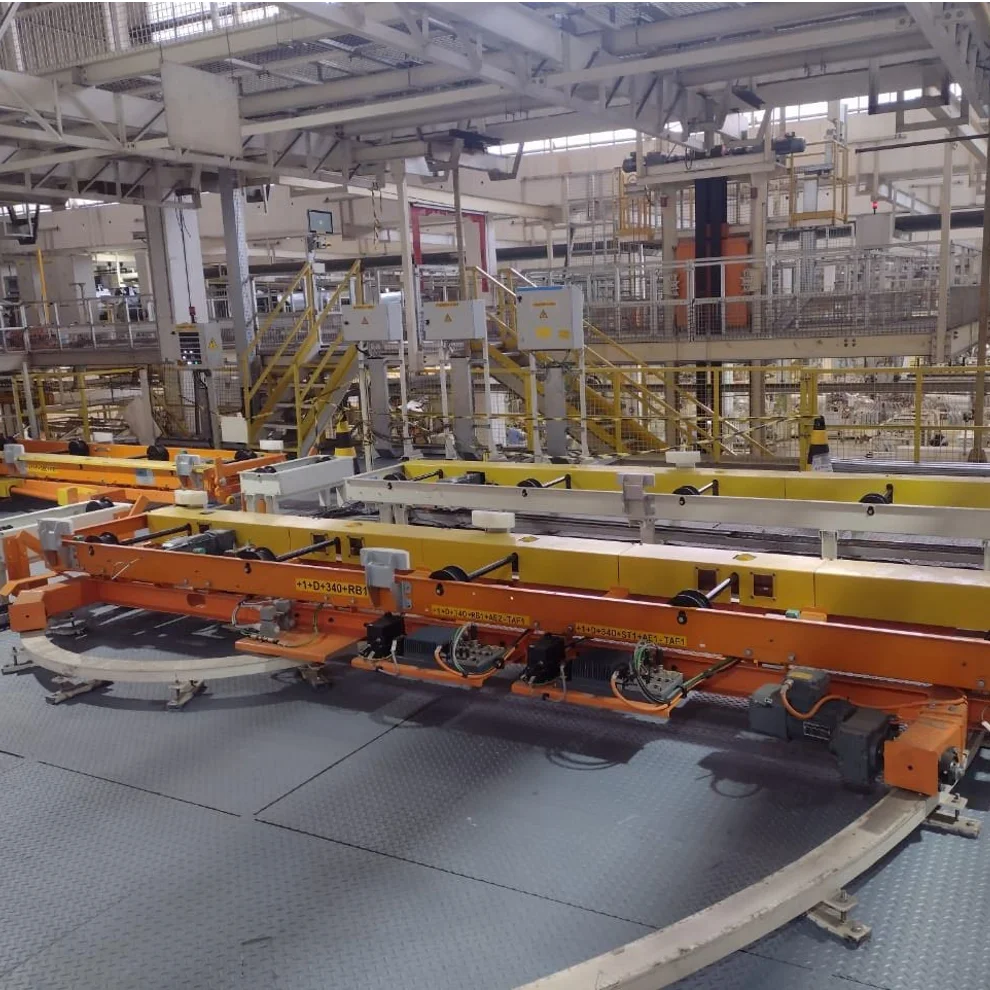
AGVs replace conventional fixed racks and support model changes while production is running.
Assembly components are prepared on racks carried by AGVs outside the main production line in dedicated supermarket kitting areas.
Operators prepare the racks independently from the welding-line cycle, reducing idle time and supporting more effective manpower utilization.
The physical separation between rack preparation and the welding process also supports a more organized production and logistics flow.
Vehicle-model life cycles are increasingly short, while production systems must remain capable of integrating future products without extensive reconstruction.
The concept of industrialization must therefore reduce the initial investment while preserving scalability, production continuity and long-term flexibility.
The solution enables a reduced initial investment and a progressive expansion strategy aligned with the introduction of additional models.
Model changes can take place while the line is producing, supporting zero-loss launches and reducing the disruption normally associated with product introduction.
- Production of one or multiple vehicle models;
- Open architecture for future-model integration;
- Reduced initial industrialization investment;
- Progressive investment aligned with model introduction;
- AGV-based replacement of fixtures and racks;
- Model change while production is running;
- Zero-loss product launches;
- Optimized production-area utilization;
- Higher manpower saturation;
- Reduced operator idle time.
- Lean robotic production line;
- AGV-carried model-specific racks;
- Dedicated supermarket kitting areas;
- Separate welding and component-preparation zones;
- Model-specific grippers, welding guns and process tools;
- Scalable fleet of AGVs;
- Flexible production sequence.
Multi-model Body-in-White lines, flexible welding systems, mixed-model production and manufacturing environments require frequent product introduction.